Email Warmup Tools: How to Choose One That Lands in the Inbox
 BounceCheck Team
Before your next send Find the addresses that will bounce.
Verify an email freeThe best email warmup tools in 2026 are Instantly, Lemwarm, and Mailwarm, with budget options like Warmup Inbox and Warmbox starting at $19 a month. An email warmup tool gradually builds a sending history on a new address so your messages reach the inbox instead of spam, and in controlled tests it lifts inbox placement from the low 70s into the mid 90s within a week. The right pick depends on your budget and whether you also need a platform to send from.
Send cold emails or a fresh newsletter from a brand-new address and a large share of them quietly land in spam. Email service providers do not trust senders they have never seen before, so they hold back delivery until you prove yourself. Warmup tools build that sending history for you automatically, and this guide compares the options worth paying for.
What an email warmup tool does
An email warmup tool connects to your inbox and gradually increases how many messages you send while simulating real engagement: opening messages, replying to them, and moving them out of the spam folder. Over several weeks that steady activity teaches mailbox providers that your domain is trustworthy, which lifts inbox placement before you scale real campaigns.
Most tools run the same core loop. Instantly's slow ramp sends 2 warmup emails on day one, 4 on day two, 6 on day three, and climbs from there so the volume looks organic rather than sudden. If you would rather run that schedule by hand, our warm-up playbook walks through a four-week ramp step by step. Either way, the payoff is a stronger sender reputation and fewer messages caught by filters.
How warmup tools are tested, and why results vary

Controlled tests show why one tool beats another. In one experiment, fresh Gmail accounts starting at 74 to 76 percent deliverability were each warmed for three weeks and measured on an independent placement platform. Within a week most accounts climbed to 94 to 97 percent inbox placement, which proves the basic mechanic works across nearly every tool.
The harder test is recovery. When testers deliberately sent a spammy message to damage a warmed account, only some tools restored deliverability quickly while others kept sliding for days. That recovery gap, not the first-week bump, is what actually separates a strong tool from a weak one.
The best email warmup tools compared in 2026
Pricing and focus differ widely, so the right pick depends on your budget and whether you also need a sending platform. Here is how the main options line up.
| Tool | Starting price | Best for |
|---|---|---|
| Instantly | $47/mo | All-in-one warmup plus cold email sending |
| Mailreach | EUR 25/mo | Deliverability reports and placement testing |
| Lemwarm | $29/mo | Teams already using lemlist |
| Warmup Inbox | $19/mo | Simple, budget setup for small teams |
| Warmbox | $19/mo | Custom warmup schedules and blacklist checks |
| Smartlead | $39/mo | Agencies scaling unlimited mailboxes |
| Mailwarm | $69/mo | Standalone SMTP warmup |
| Warmforge | $39/mo | Bundled warmup and inbox placement tests |
| Snov.io | $39/mo | Warmup inside a full outreach suite |
A closer look at the top tools
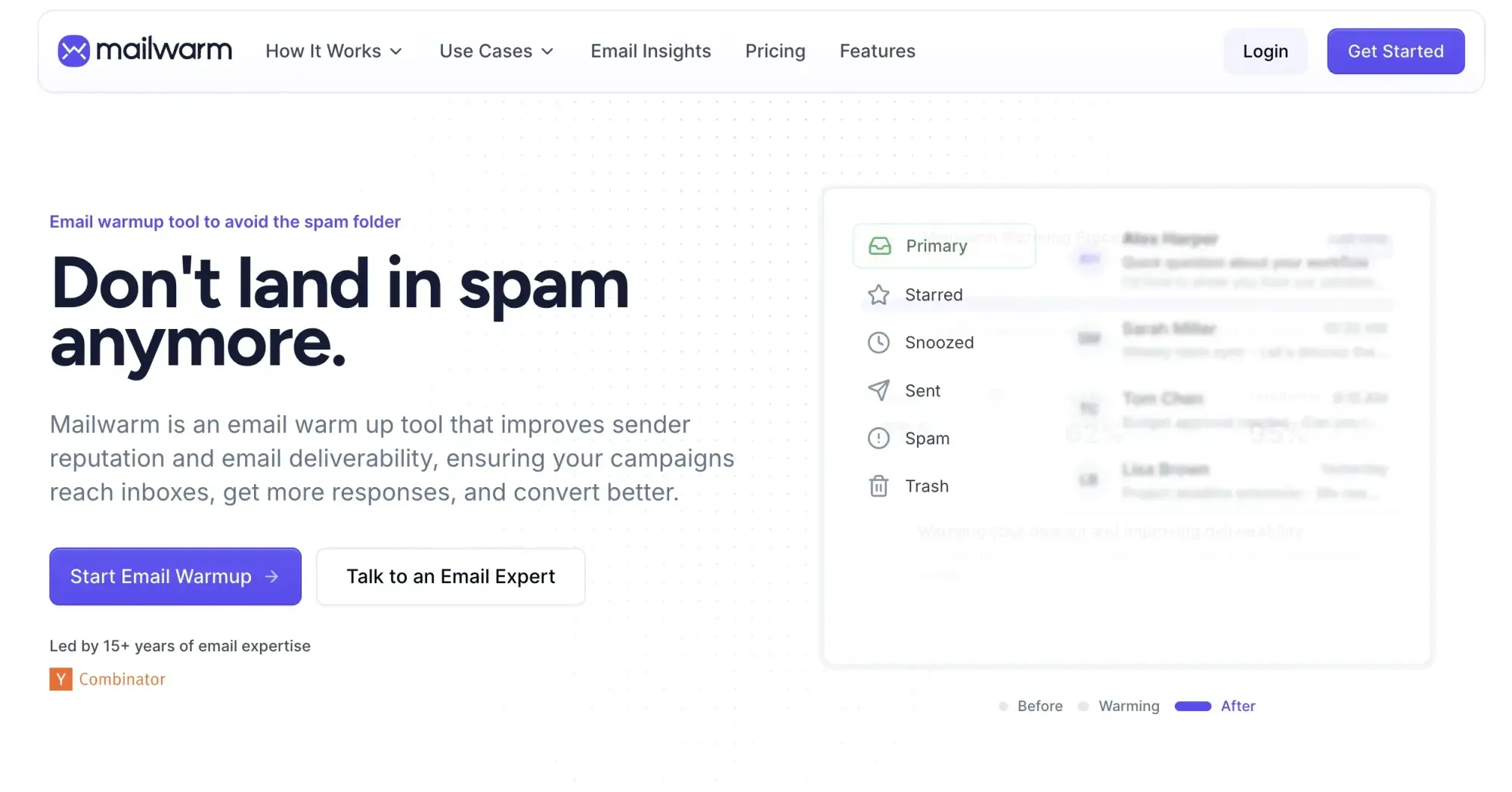
Instantly
Instantly bundles unlimited automated warmup directly inside its cold email and lead-generation platform, and runs the warmup through a private network of headless browsers. It suits agencies and high-volume senders who want warmup and sending in one place rather than two subscriptions.
Mailreach
Mailreach pairs warmup with detailed deliverability monitoring, including a sender score, blacklist alerts, and SPF, DKIM, and DMARC checks. It is the pick when you care most about reporting and want to see exactly where your emails land across providers.
Lemwarm
Lemwarm, by lemlist, runs warmup on autopilot through natural-looking replies and spam recovery. It is the obvious choice for teams already inside the lemlist ecosystem who want warmup and outreach under one login.
Warmup Inbox
Warmup Inbox is a straightforward, budget-friendly tool that warms your account through a network of real inboxes and reports on email health. Its quick setup makes it a good fit for freelancers and small teams that do not need complex controls.
Warmbox
Warmbox lets you customize your warmup recipe, reply rate, and daily sending limits, and it includes a blacklist and DNS checker. It is a flexible option for senders who want hands-on control without a steep price.
Smartlead
Smartlead offers AI-driven warmup across unlimited mailboxes alongside its sending platform, which makes it well suited to agencies rotating many inboxes at scale.
How to choose the right warmup tool
Match the tool to your situation rather than chasing a single ranking:
- Budget: Warmup Inbox and Warmbox start around $19 a month, while standalone services like Mailwarm cost more.
- Standalone or bundled: pick a dedicated warmer if you already have a sending tool, or an all-in-one like Instantly or Smartlead if you do not.
- Reporting depth: choose Mailreach or TrulyInbox if you want placement data and analytics, not just a green light.
- ESP targeting: some tools let you warm specifically for Gmail, Outlook, or Microsoft 365 if that is where you keep landing in spam.
- Integration: confirm the tool connects cleanly to your mailbox and outreach stack before you commit.
Whatever you pick, a consistent warmup paired with good sending habits is what keeps you in the inbox. The same fundamentals that improve email deliverability overall apply here too.
Warmup mistakes that keep you in spam
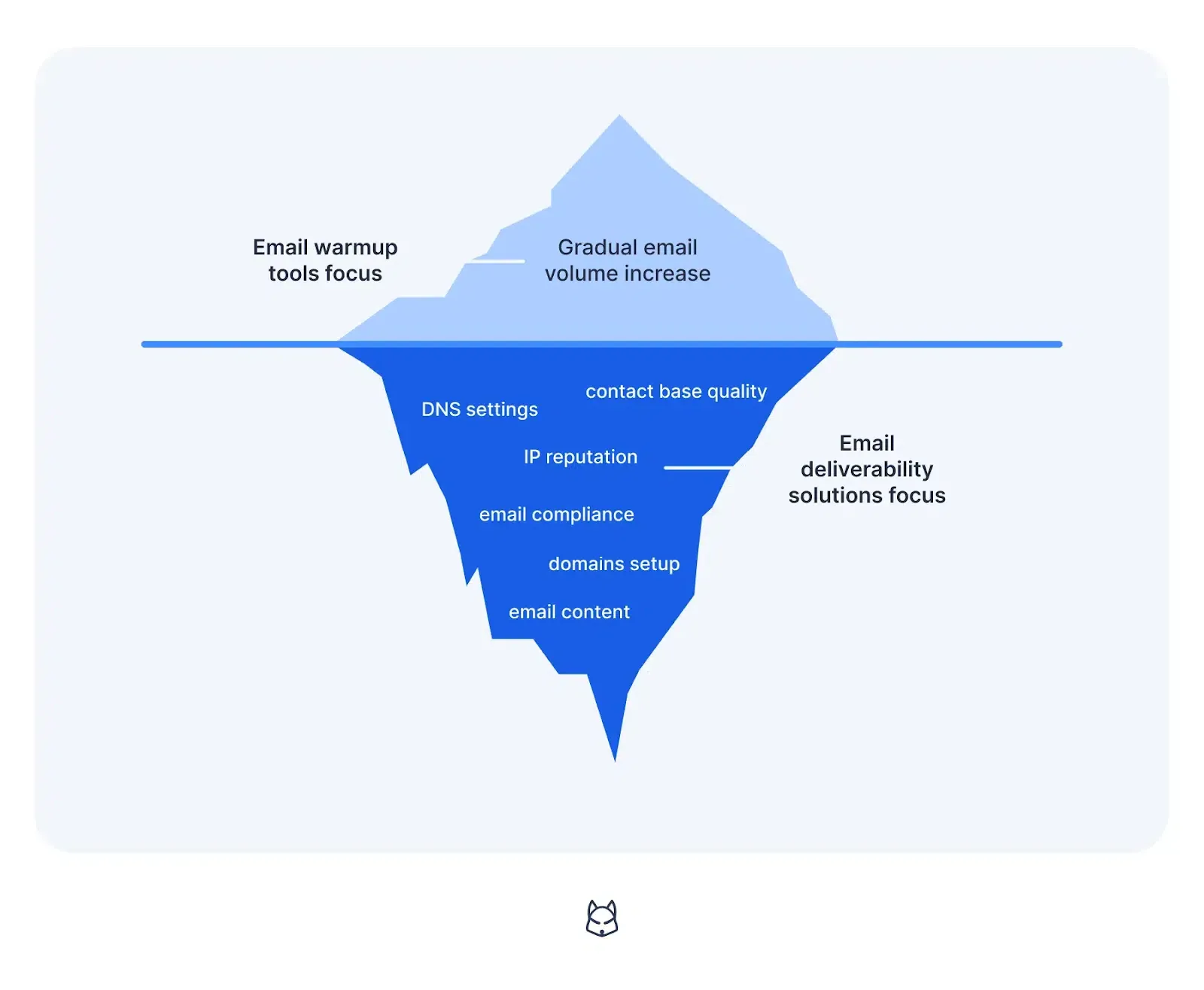
Even the best tool cannot save a careless sender. These are the mistakes that undo a warmup:
- Ramping sending volume too quickly, which trips spam filters and damages your reputation.
- Warming an account while sending to a poor-quality list full of outdated addresses, which drives high bounce rates.
- Failing to monitor engagement metrics like open and reply rates during the process.
- Sending irrelevant or unpersonalized content that recipients mark as spam.
- Ignoring feedback loops and spam-complaint reports instead of acting on them.
Why warmup tools fail without a clean list
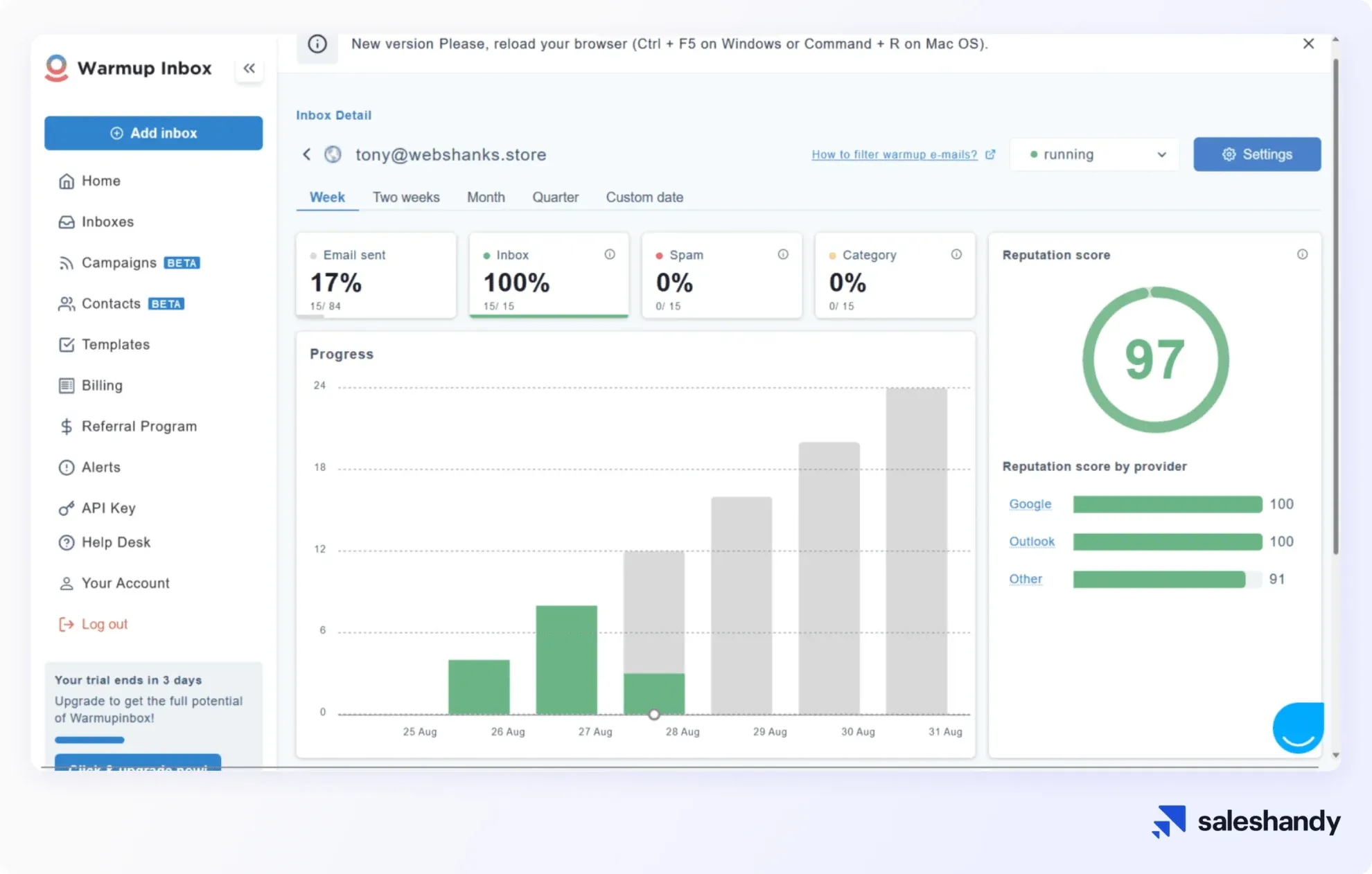
A warmup tool builds trust, but it cannot fix the list you point it at. Testers consistently note that verifying your email list matters as much as the warmup itself, because every invalid address you mail produces a hard bounce, and a spike in bounces tears down the reputation you just spent weeks building.
That is the step warmup tools leave to you. Run your list through a bulk email verifier before the first campaign so dead and risky addresses never get sent, and keep your bounce rate low enough to protect your sender score. BounceCheck is an email verification service that checks each address for syntax, domain, and mailbox validity before you send, removing invalid, disposable, and catch-all-risk addresses so the inbox placement your warmup earned does not leak away on bad data.
Common questions about email warmup tools
What is an email warmup tool and how does it work?
It is software that connects to your inbox and automatically sends, opens, and replies to messages within a network of trusted accounts. That activity gradually builds your sender reputation so mailbox providers route your real emails to the inbox instead of spam.
How long does email warmup take?
Most new addresses need about two to six weeks to warm up fully, depending on the provider, domain age, and how aggressively you plan to send afterward.
Are there free email warmup tools?
A few exist. Auto-Warmer by QuickMail and GMass both offer free warmup features, and most paid tools include a short trial, though dedicated free options are limited.
Do email warmup tools actually work?
Yes. Tests show warmup reliably lifts inbox placement, often from the low 70s into the mid 90s within a week, as long as you follow it with sound sending practices.
Do I still need to verify my list if I use a warmup tool?
Yes. Warmup builds reputation, but mailing invalid addresses still causes bounces that damage it. Verifying your list before you send protects the gains a warmup tool delivers.
§ Before your next send
Find the addresses that will bounce
Verify a single address free, or upload a CSV — the free plan includes 50 checks a month, no card needed.

BounceCheck Team
The team behind BounceCheck - helping businesses verify emails and improve deliverability.