IT Sales Techniques: The Methods, Channels, and Tools That Actually Win Deals
 BounceCheck Team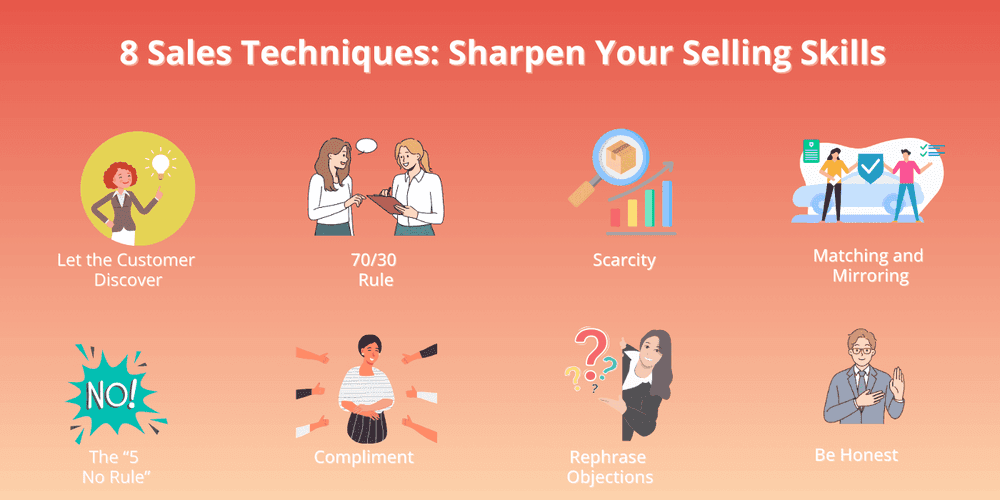
IT sales is unforgiving. Buyers research before they ever take a call, evaluation cycles drag past two quarters, and the average deal involves five or more stakeholders who each want a different question answered. Generic pitching does not survive that environment. Reps who keep winning rely on a small set of repeatable techniques that fit how technology buyers actually decide.
This guide gathers the IT sales techniques that consistently move pipeline in 2026. It covers the five classic methodologies still worth knowing, the modern plays B2B sellers use today, how to pick the right channel for the deal, the rules that hold across every interaction, the tools that carry the workflow, and the deliverability layer most reps quietly lose money to.
What IT Sales Techniques Actually Are
A sales technique is the philosophy you apply to your sales process. The process gets you from a cold lead to a closed deal. The technique is the skill set, focus, and communication style you use at each step. Most reps confuse the two and end up with a calendar full of activity and a pipeline full of stalled opportunities.
A technique is also different from a tactic. The technique is the broader strategy (consultative selling, challenger-style insight delivery). The tactic is the specific action you take inside that strategy (asking a layered SPIN question, sharing a benchmark in a follow-up). Pick a technique that fits your market, then load it with tactics that fit the buyer in front of you.
For IT and SaaS reps, the techniques that hold up are the ones that respect three things every modern technology buyer brings to the table: they are well informed, they have many options, and they hate being sold to. Everything below is shaped around that reality.
Five Sales Methodologies Every IT Rep Should Know
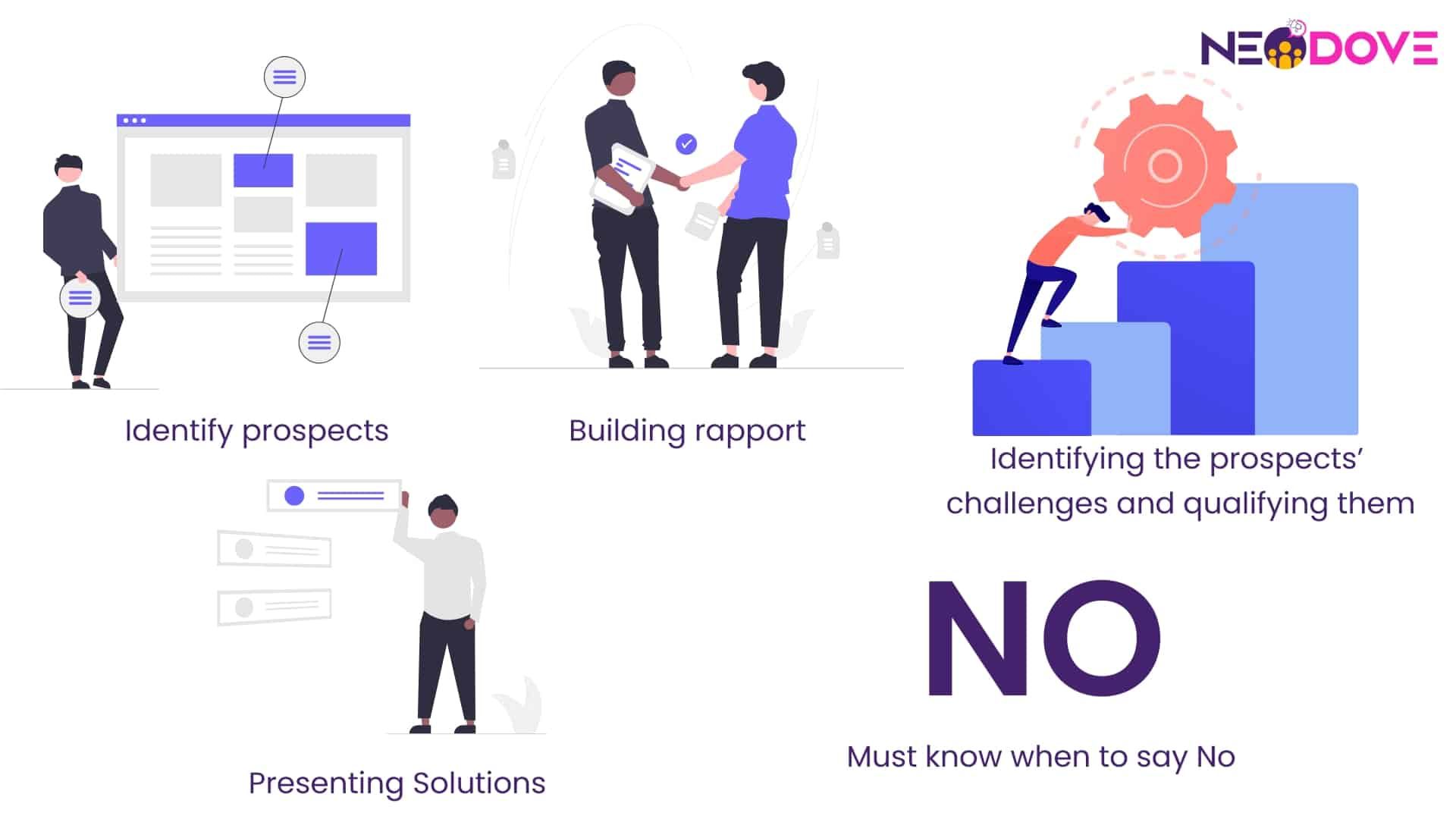
Five methodologies, each developed by experienced consultants, still produce results when applied properly to technology sales. You do not have to pick one. Most strong reps mix two or three across different stages of the cycle.
SPIN Selling
Developed by Neil Rackham, SPIN is built around four question types: Situation, Problem, Implication, and Need-Payoff. Situation questions establish context ("What is your decision-making process for new purchases?"). Problem questions surface the pain ("What is the biggest issue with how you handle that today?"). Implication questions amplify the negative impact of leaving the problem alone. Need-Payoff questions then let the buyer articulate the value of the solution in their own words. Done right, SPIN turns a discovery call into a guided realization rather than a pitch.
SNAP Selling
SNAP focuses on how overwhelmed modern buyers think. Customers make three decisions before they work with you: they allow access, they initiate change, and they select resources. The four components that earn each yes are: keep it Simple, be iNvaluable, always Align, and raise Priorities. SNAP in practice means ninety-word emails, five-minute mini-meetings, and a clear bridge between your offer and the buyer's stated priorities.
Challenger Sale
The Challenger Sale identified five B2B rep personas (relationship builders, hard workers, lone wolves, reactive problem solvers, and challengers) and found that challengers were by far the most successful. The model is teach, tailor, take control: bring fresh insight that reframes the buyer's problem, personalize it to their company and role, then guide the deal toward a decision rather than waiting on it.
Sandler Sale
The Sandler method reverses the power dynamic. The buyer convinces the seller they should invest, by working through three levels of pain: the technical issue itself, the business and financial impact of leaving it unsolved, and the personal interest of the people affected (extra hours, missed bonuses, internal friction). Skip a level and the deal closes on price. Cover all three and you build genuine urgency.
Consultative or Solution Selling
Consultative selling treats the rep as an expert consultant whose job is to put the customer first. Six principles run the cycle: Research, Ask, Listen, Teach, Qualify, Close. Done well, the close happens almost on its own because the buyer has reached the same conclusion you did. The successful outcomes look like one of three things: the customer achieves their goal, you solve their problem, or you satisfy their need.
Other frameworks worth a mention: BANT (Budget, Authority, Need, Timing) for lead qualification, the SPICED framework (Situation, Pain, Implication, Criticality, Economic Impact, Decision) for deeper diagnostic conversations, and Gap Selling (Keenan) which centers on the disparity between a customer's current state and their desired state.
Modern Plays High-Performing IT Sellers Use in 2026
The classic methodologies above set the foundation. The modern plays below come from observing what high-performing B2B reps actually do today, and they tend to layer on top of one of the five methodologies, not replace them.
Stop Pitching Products, Sell the Problem
Feature lists and product specs are the default. Top reps lead with diagnosis: what is broken, why it matters, and how long the buyer has been paying for it. Ask layered questions, listen actively, then tailor the rest of the call around what surfaced.
Tie the Cost of Inaction to the Bottom Line
Abstract benefits rarely earn internal alignment. Translate every capability into financial impact. Quantify what the status quo is costing them per month. Share customer benchmarks and operational metrics rather than generic marketing language. When the conversation moves to dollars, budget holders lean in.
Reframe Objections as Opportunities
Objections are rarely about you. They are about risk, doubt, or a bad past experience. Treat them as insight, not resistance. Clarify, re-anchor on the buyer's goals, and reinforce what is at stake. The skill is reflection, not deflection.
Mobilize Internal Champions
In a B2B technology deal, the people who carry your message between meetings matter more than any single demo. Treat your champion as a co-seller, not a contact. Equip them with role-specific slides, metrics, and pre-emptive answers to the objections you know are coming from procurement, security, and finance.
Build a Tailored Digital Sales Room
Buyers are overwhelmed by content. A curated space (case studies, role-specific assets, an objection-handling page, follow-up notes) replaces the chase of decks across email threads and shows the buyer you are organized. It also moves the deal forward between meetings without requiring you to be in the room.
Close on Buyer Signals, Not Instinct
Closing is alignment, timing, and proof. Pay attention to which assets the buyer revisits, who else inside the account engages, and which questions resurface. Those are buying signals. Acting on them beats guessing or hoping.
Inside, Outbound, Direct, and Referral Channels
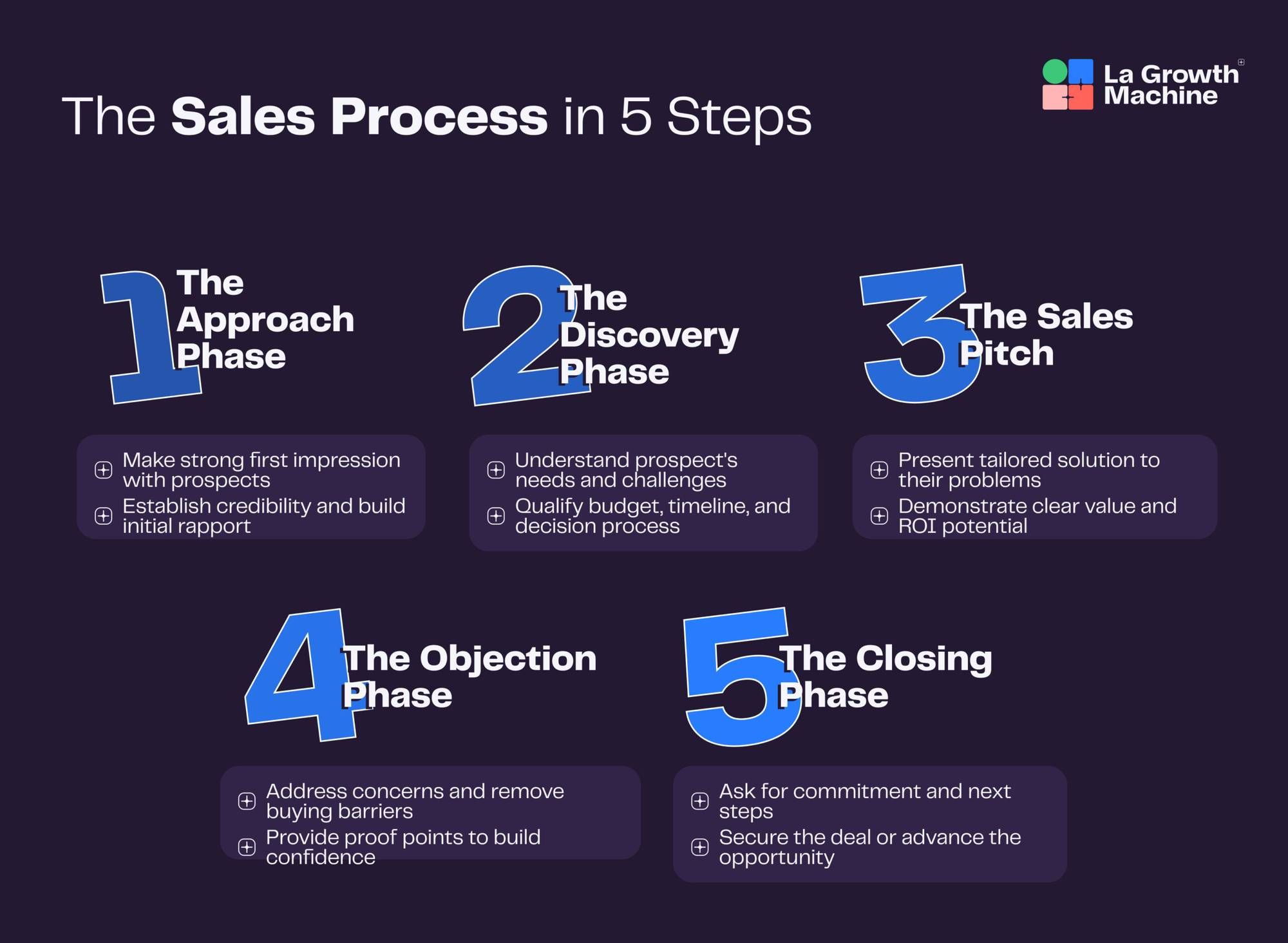
IT sales techniques are also shaped by the channel you sell through. The same SPIN questions land differently in an inside-sales call than in a face-to-face meeting at a customer site. The four channel categories most B2B teams operate in:
| Channel | What It Is | Strategies That Fit |
|---|---|---|
| Inside sales | Phone or online selling, no in-person visits | Phone calls, social selling, email, website content leads |
| Outbound sales | Cold outreach to leads who showed interest or are net new | Phone calls, website content leads |
| Direct sales | Face to face outside a physical store | Social selling, email, in-person meetings |
| Referral sales | Leveraging a network that returns qualified leads | All four (phone, social, email, in person) |
For B2B technology specifically: inside, outbound, and referral are the three that carry most pipeline. Referrals consistently convert at a higher rate than cold calls, which is why high-performing teams over-invest in turning happy customers into multipliers.
B2B deals also take longer to close than B2C, involve bigger orders, and depend on relationships with decision-makers because repeat orders are where the real revenue sits.
Four Rules That Hold Across Every IT Sale
Methodologies change, channels shift, but four basics are non-negotiable. Apply them whether you are running SPIN on a discovery call or closing a renewal:
- Listen actively: hear the words, but also the underlying emotions, constraints, and unspoken concerns. Pay attention to body language in person and to tone on video.
- Understand the customer's needs: know the specific challenge before you propose a fix. A tailored pitch beats a polished one every time.
- Offer tailored solutions: customize the offer to the buyer in front of you. One-size-fits-all is what loses deals to the vendor who took the time to ask one more question.
- Always follow up: the sale does not end at the meeting. Following up with relevant context, next steps, or a useful piece of content keeps you top of mind and signals that the buyer matters to you.
Layered on top of these: stay positive about competitors, do what you say you will do, and treat every contact as a person before treating them as a prospect.
Tools That Carry These Techniques
No technique survives without the right plumbing. A modern IT sales stack usually includes:
- CRM system: the central record for accounts, contacts, deals, and activity. Without it, every other tool floats.
- AI-driven analytics: insights into buyer preferences, conversion patterns, and pipeline risk that a rep cannot derive from a spreadsheet.
- Sales engagement platforms: centralized content libraries, playbooks, and guided plays so the right asset shows up at the right stage.
- Automated outreach tools: sequences, personalization, follow-up cadences, and engagement analytics. This is the part of the stack that most directly touches deliverability. Our best cold email tools roundup walks through which platforms hold up in practice.
- E-signature solutions: removing friction at the final stage, when delay kills deals more often than price.
- Prospecting platforms like LinkedIn Sales Navigator: for finding decision-makers inside target accounts. The cost breakdown is here if you are evaluating the tier that fits your team.
The goal is not to install every category. It is to wire CRM, outreach, and analytics tightly enough that a rep can prospect, run a sequence, log the activity, and surface intent signals without copying data between four windows.
Where IT Cold Outreach Quietly Breaks
Most IT reps depend on cold email to fill the top of the funnel. It is the cheapest and most scalable way to reach a specific decision-maker inside a target account. It is also where pipelines break in ways the rep never sees until it is too late.
The failure mode looks like this: an outreach tool sends 500 messages a day. The list was scraped from LinkedIn, never verified. Twelve percent bounce. The sending domain takes a hit, and after two weeks the same emails (including replies to warm prospects) start landing in Promotions and Spam. Reply rate drops. The rep thinks the offer is broken. The offer is fine. The infrastructure is leaking.
A cleaner outreach setup for IT and SaaS reps:
- Verify every email before sending so bounce rate stays under 2%.
- Warm a new sending domain for three to four weeks before any real campaign.
- Cap daily send volume per inbox at 40 to 50 messages.
- Authenticate with SPF, DKIM, and DMARC before the first send.
- Track sender reputation weekly and pause sequences if it dips.
- Use a dedicated outreach inbox separate from your primary mailbox.
The broader workflow that holds up over time, including pitch templates and the messaging side, lives in our outreach fundamentals guide. Pair it with the rest of the technique stack above and the same number of prospects produces noticeably more meetings.
Common IT Sales Mistakes to Avoid

A few patterns wreck IT sales conversations faster than any other.
Pitching Before Diagnosing
Leading with features signals that you are selling, not consulting. Pitch only after you understand the problem. SPIN exists for a reason.
Talking Negatively About Competitors
Leads do not want to hear it. Stay focused on your differentiators and how you help the buyer reach their goal. The competitor you trash today might be the one your buyer used at their last company.
Skipping the Personal Layer
Decisions in IT sales are made by people, not org charts. If you only solve for the company's technical problem and never address what the buyer personally gains, you are leaving urgency on the table.
Letting Objections End the Conversation
Objections are insight, not a stop sign. "Too expensive" usually means "I don't see the ROI yet." Reframe the cost in terms of what staying still costs them.
Forgetting to Follow Up
Most positive replies in B2B come after the first follow-up, not on the initial send. One polite check-in three to five days later, then a final note a week after that, beats a single send every time.
Treating Outreach Volume as the Answer
More emails is not more pipeline. Better targeting and clean infrastructure produce more replies than larger send volumes ever do. This is the most common mistake for IT and SaaS reps who confuse activity with results.
The Throughline: Sales as a Repeatable System
No single methodology wins every deal. The reps who consistently hit quota in IT sales treat the work as a production system: a clear technique chosen for their market, a tight CRM and outreach stack, daily prospecting habits, follow-up discipline, and a deliverability layer that protects every send. Each piece compounds the others. Each piece also breaks the others when it slips.
Pick one methodology to anchor the cycle (SPIN if you are early career, consultative or Challenger if you have the domain depth to lead with insight). Layer the modern plays on top. Wire the tools cleanly. Verify the list before the first send. The same prospects you have today will close more often when the technique, the tools, and the inbox all hold up together.

BounceCheck Team
The team behind BounceCheck - helping businesses verify emails and improve deliverability.