SaaS Free Trial Abuse Prevention: How to Stop Multi-Account Fraud
 BounceCheck Team
You stop free trial abuse by layering defenses rather than relying on one trick: verify the email at signup, step up verification when an account looks risky, score risk in real time, watch behavior during the trial, and shape the free tier so abuse is not worth the effort. No single control is bulletproof, but stacked together they make abuse more expensive than the value an abuser can extract.
Offer a free trial and you are handing real product value to anyone who signs up. Most of those people are genuine prospects. A few are not. Some will cycle through fake identities to reset the trial clock again and again, with no intention of ever paying. That is free trial abuse, and at scale it quietly drains your margins, pollutes your data, and opens the door to worse fraud. This guide walks through a layered way to stop it without punishing the legitimate users you actually want.
What free trial abuse is, and what it really costs
Free trial abuse is the repeated, fraudulent use of a trial by someone who has no intention of becoming a paying customer. It is a fraud problem, not a churn problem: the same person deliberately cycles identities (new emails, phone numbers, billing details) to look like a fresh user every time. A close cousin is free plan abuse, where users open parallel accounts to reset monthly credits or usage limits instead of upgrading.
The damage runs deeper than a few fake names in your dashboard:
- Infrastructure and compute costs: abusers lean on the resource-heavy features, and AI products get hit hardest because every free user burns real inference spend. Some teams only notice when their cloud bill jumps.
- Polluted analytics: activation rate, feature adoption, and time-to-value all look worse when a big slice of your trial cohort were never real evaluators, and you end up making product decisions on bad data.
- Support load: failed signups, fraud alerts, and billing oddities all generate tickets that pull time away from real customers.
- Higher payment-fraud exposure: trial abuse often precedes payment fraud, because the same actors learn how your signup flow behaves before testing stolen cards on it.
How abusers reset the trial clock
Abuse follows a handful of recognizable patterns: multiaccounting with fresh emails, disposable and synthetic addresses, rotated identities, automated signup bots, verification bypass, and API-key harvesting. Knowing each one tells you what to defend against.
- Multiaccounting: the simplest move is signing up again with a different email, and if your system only checks whether an email was used before, it works.
- Disposable and synthetic emails: temporary inbox services hand out working addresses on demand, and more sophisticated abusers register their own domains to mint unlimited addresses that pass basic validation.
- Identity rotation: names, billing addresses, and phone numbers (often through VoIP services) get rotated, sometimes stitched from real-data fragments into synthetic identities.
- Automated signup bots: scripts fill the form, solve simple CAPTCHAs, and run through residential proxy networks so each attempt looks like a different device and location. Bots also tend to head straight for the highest-value feature, a pattern documented in the 2025 Bad Bot Report and a tell in itself.
- Verification bypass: temporary inboxes defeat email confirmation, and virtual numbers defeat SMS codes.
- API-key harvesting: in API-driven products, the trial account exists only to mint a key, which keeps working against your endpoints until you revoke or rate-limit it.
The warning signs of trial abuse
No single signal proves abuse. Detection is about stacking risk indicators until the picture is clear, then acting once enough of them line up.
- Signup velocity from shared infrastructure: several signups from the same IP, IP range, or network provider in a short window, especially datacenter or VPN exit nodes.
- Suspicious email domains: disposable providers, which a blocklist catches easily, plus domains registered only days ago, a common hallmark of synthetic identities.
- Device fingerprint reuse: two accounts that claim to be unrelated users rarely share the same canvas signature, fonts, and plugins.
- Abnormal early-session behavior: a brand-new account that reaches your highest-value feature or API endpoint within seconds is behaving like a script, not a person exploring the product.
- Trials tied to expired accounts: a new trial that starts right after another one expires, sharing IP or device signals, points to cycling.
- Payment red flags: if you collect card details, prepaid cards, a mismatch between card country and IP location, or the same card reused across signups all raise the risk score.
Layer 1: verify the email at the front door
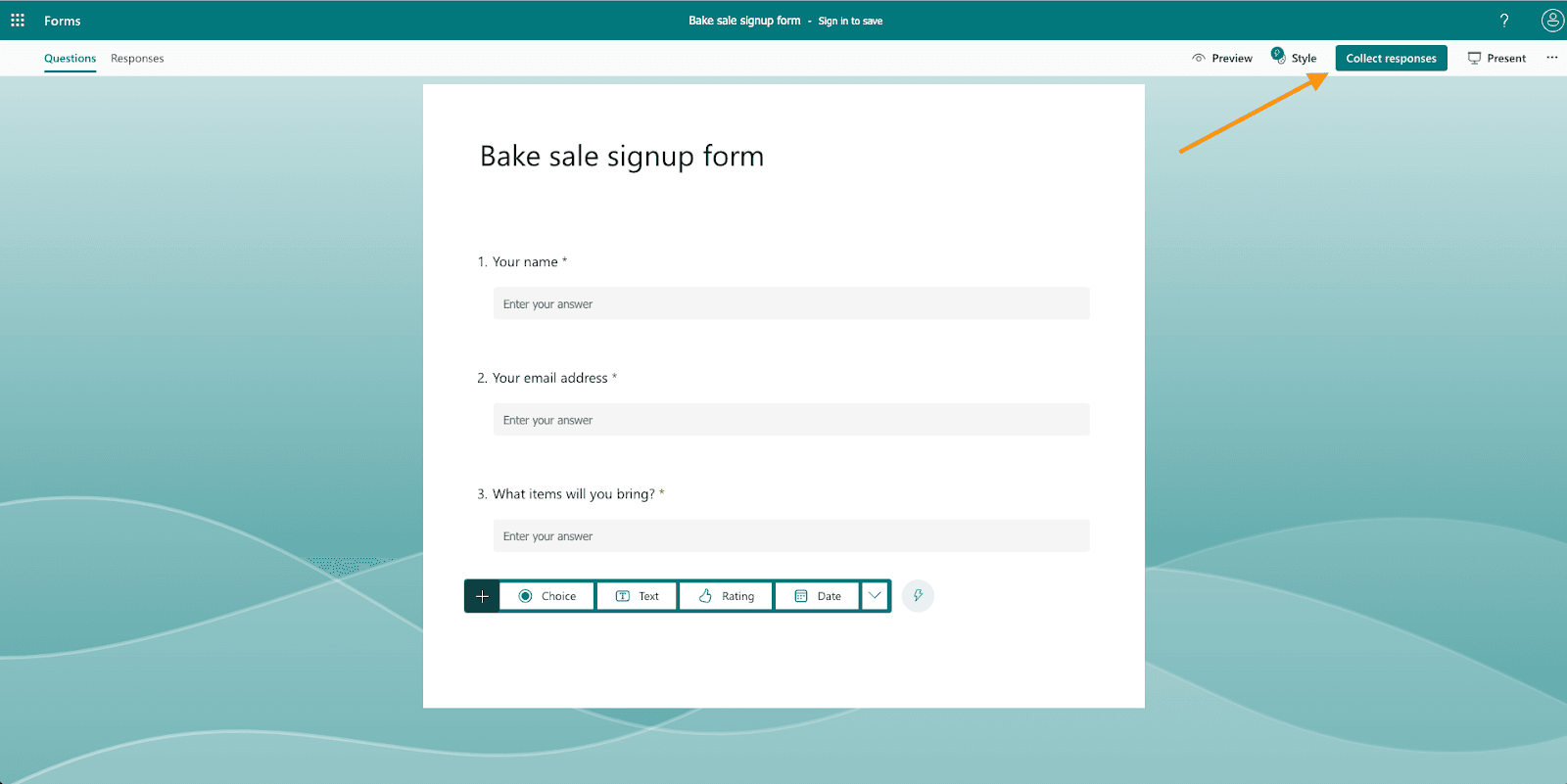
The cheapest, lowest-friction defense sits right at the signup form: check the email before you let it create an account. Start with a confirmation link to prove the address exists and works, which filters out bots using fake, non-functional emails. That is the baseline, but it is worth understanding how email verification works so you can go a step further and screen the address itself.
Block disposable and throwaway domains, which is exactly what companies like Steam, StackOverflow, and Canny do at signup. You can start from an open disposable domain list or use a verification API (this is what BounceCheck does) that stays current automatically instead of forcing you to maintain a static list. It also helps to flag role-based addresses such as info@, sales@, or support@: they are valid and deliverable, but they rarely signal genuine purchase intent and tend to inflate your trial numbers without ever converting.
Layer 2: step up verification when email isn't enough
If abusers keep slipping through with disposable emails, raise the effort required to create each new account. Add layers based on the level of abuse you actually see, not all at once.
- Phone or SMS verification: send a one-time code to a valid number. Burner numbers exist, but they are harder and costlier to come by than throwaway emails.
- OAuth signup: let users sign in with Google, GitHub, or LinkedIn, which outsources the first identity check to a platform that has already done it.
- Payment method or ID checks: for high-value or regulated products, ask for a linked card, a VAT ID, or a document upload to raise the bar much higher.
Weigh each layer against conversion. Every extra signup field can cut completion by up to 5%, so A/B test a step like phone verification before you roll it out to everyone.
Layer 3: score risk and add friction where it counts
The goal is not to hassle every visitor. It is to add friction only to the ones who look risky.

Build a risk score at signup from a combination of signals: email reputation, IP risk, device characteristics, and early behavior. Modern fraud APIs can return that score in milliseconds, so legitimate users feel nothing.
- Device intelligence: fingerprinting links accounts created from the same browser or device even when the email, IP, and identity all change.
- IP and proxy checks: a GeoIP lookup flags datacenter, proxy, or Tor exit nodes. Keep it as a signal, not a verdict, since over 30% of internet users have used a VPN, so a VPN address is a flag and not proof.
- Progressive friction: when the risk score crosses a threshold, ask for something extra such as a real mobile-carrier number, which stops most automated signups while leaving clean users alone.
- Rate limiting: cap API calls and usage so that even an account that does slip through cannot extract unlimited value.
Layer 4: watch behavior during the trial
Prevention does not end at signup. Watching how an account behaves afterward catches abusers who got through the door.
- Time-to-action: an account that performs a high-value action within seconds of activating is almost certainly automated.
- Usage velocity: a real user has a natural rhythm; an account that maxes out its API limits in the first hour does not.
- Concurrent sessions: the same account logged in from several geographically distant IPs at once is a strong flag, though shared agency use can be a benign exception.
- Signup spikes and repeat IPs: sudden bursts of new accounts, or many accounts created from one IP, are worth a manual review.
Machine learning can automate this scoring and adapt as tactics change, but it produces false positives, so pair it with a human review process before you suspend a genuine customer.
Shape the free tier so abuse isn't worth it
The structure of your free offering is a defense in itself. The aim is to make the free tier genuinely useful for evaluation but pointless to abuse long term.
Throttle the features that cost you the most rather than just the number of actions. A free video tool, for example, might allow unlimited exports but watermark them, so an abuser spinning up new accounts still ends up with watermarked files and nothing worth keeping. Switching from a permanent free plan to a time-limited trial of three to seven days adds urgency and forces abusers to migrate their data and restart every cycle, which is a real hassle.
Requiring a credit card up front is the strongest deterrent of all. It does reduce trial starts, often by 30% to 60%, but the users who sign up convert far better, frequently 50% or more compared with about 15% for no-card trials. The tradeoff is real, and some teams find a card requirement reads as shady on a "free" trial and hurts conversion, so test it rather than assume. Whatever you choose, state plainly in your terms of service that creating multiple accounts to dodge trial limits is prohibited, which gives you clear grounds to suspend offenders.
Which layer should you start with?
If you are deciding where to begin, weigh each layer by cost, the friction it adds for real users, and how much abuse it actually stops.
| Layer | Setup cost | User friction | Abuse prevention | Best for |
|---|---|---|---|---|
| Email verification | Low | Low | Low (baseline) | Every SaaS, as the default first layer |
| Phone / SMS verification | Low | Medium | Medium | Higher-value free tiers |
| IP and behavior rules | Medium | Low | Medium | Teams with technical resources |
| Require a credit card | Low to medium | High | High | High-value B2B or costly-to-serve products |
Putting the layers together
No single layer is bulletproof, and stacking all of them on day one will frustrate the genuine users you are trying to win. Start cheap and low-friction, then add layers only as abuse grows and your data says it is worth it. Email verification is the natural first move because it costs almost nothing in friction while screening out the disposable and fake addresses that power most multiaccounting.
A clean signup list pays off twice. The same check that blocks a throwaway address also keeps chronic bouncers and planted honeypot addresses out of your database, which protects the sender reputation your real campaigns depend on. Running that check in real time rather than in bulk means the bad address never makes it into an account in the first place. Build up from there with stronger verification, risk scoring, and a free tier designed so abuse simply is not worth the effort.
Free trial abuse questions, answered
What is free trial abuse?
Free trial abuse is when someone repeatedly creates new accounts with different emails or identities to reset a trial and keep using paid features for free, with no intention of ever paying. It is deliberate fraud rather than ordinary churn, and at scale it raises your costs and distorts your metrics.
How do you detect free trial abuse?
Look for stacked risk signals rather than a single smoking gun: several signups from the same IP in a short window, disposable or days-old email domains, reused device fingerprints, and brand-new accounts that behave identically or jump straight to high-value features. A risk score that rises as these signals accumulate is the practical way to catch it.
Does requiring a credit card stop free trial abuse?
It is one of the strongest deterrents, because a valid card is far harder to mass-produce than a throwaway email. It will reduce your total signups, but the people who do sign up tend to convert much better. The downside is that a card requirement can feel heavy-handed on a free trial, so it suits high-value products more than low-cost consumer tools.
Can you completely prevent free trial abuse?
No. Any single control can be circumvented by a determined abuser, so the realistic goal is to make abuse more expensive than it is worth. A layered defense (email verification, then stronger verification, risk scoring, and a well-designed free tier) stops the casual majority and keeps the problem small enough to ignore.

BounceCheck Team
The team behind BounceCheck - helping businesses verify emails and improve deliverability.