What Does SPAM Stand For? The Real Origin of the Word
 BounceCheck Team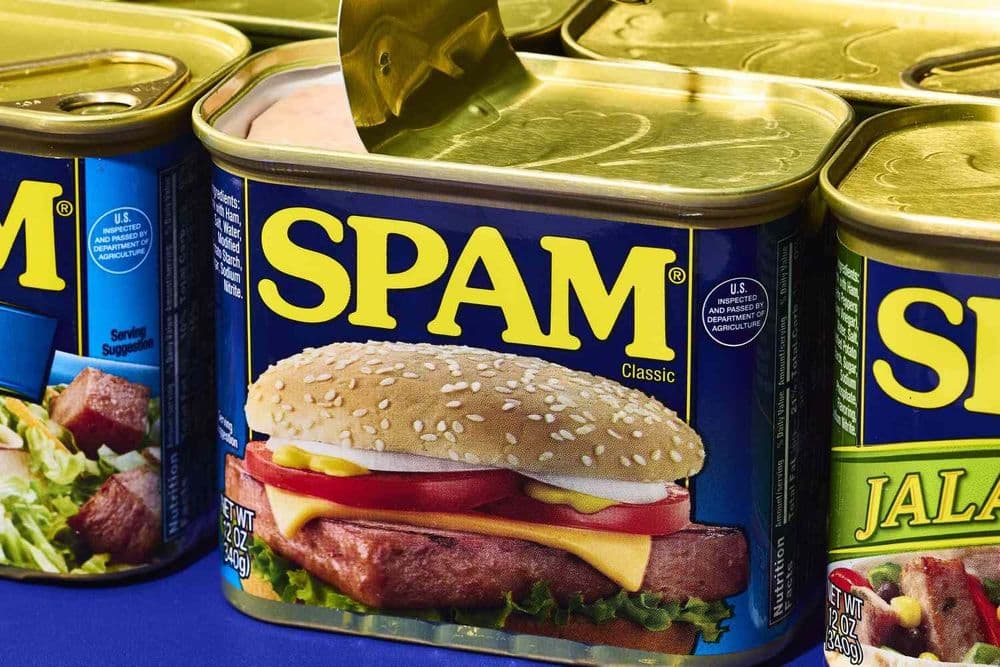
SPAM is not an acronym and does not stand for anything. The word for unwanted email traces back to a 1970 Monty Python sketch about Hormel's canned SPAM meat, where the word gets repeated so relentlessly that it drowns out every other conversation. That image of something useless crowding out everything else is exactly how the internet borrowed the term for the flood of unsolicited messages you never asked for.
Popular expansions like "Stupid Pointless Annoying Messages" or "Sending Persistent Annoying Mail" are backronyms: catchy phrases invented after the fact to fit letters that were never an abbreviation to begin with. The real story runs through a meat product, a comedy troupe, and the early days of Usenet. Here is how the word actually got its meaning, and why it still matters if you send email for a living.
So what does SPAM stand for?
Nothing. The term for junk email is not an acronym, and it never was. It comes from the brand name of a canned meat product, filtered through a British comedy sketch, then adopted by early internet users to describe repetitive, unwanted messages. Every "S.P.A.M." expansion you have seen was reverse-engineered later to make the letters look meaningful.
The confusion is understandable. Plenty of tech terms genuinely are acronyms, so people assume spam must be one too. It is not. The lowercase word "spam" (junk messages) and the uppercase trademark "SPAM" (the meat) are directly connected, but neither stands for a phrase.
The canned meat came first
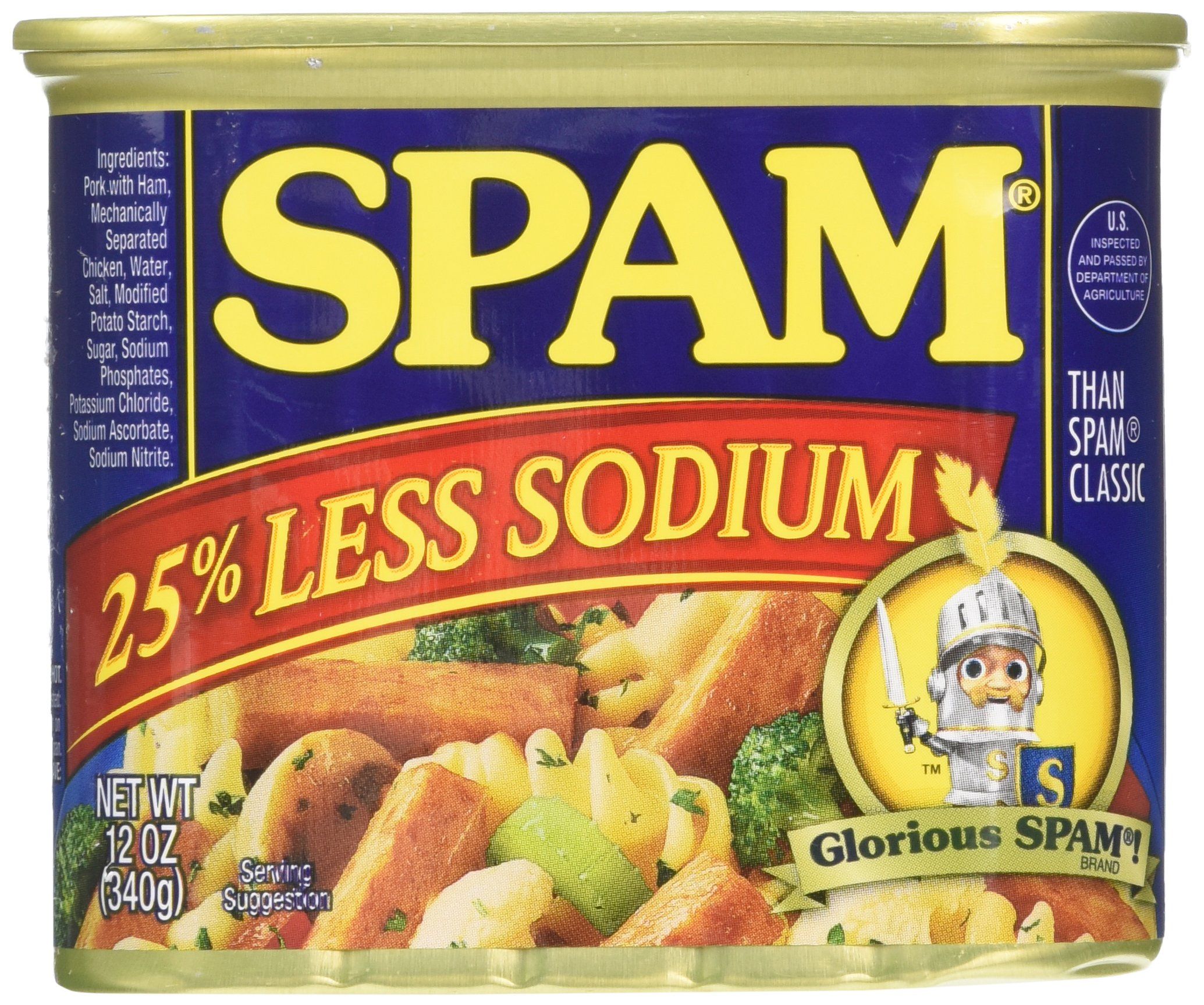
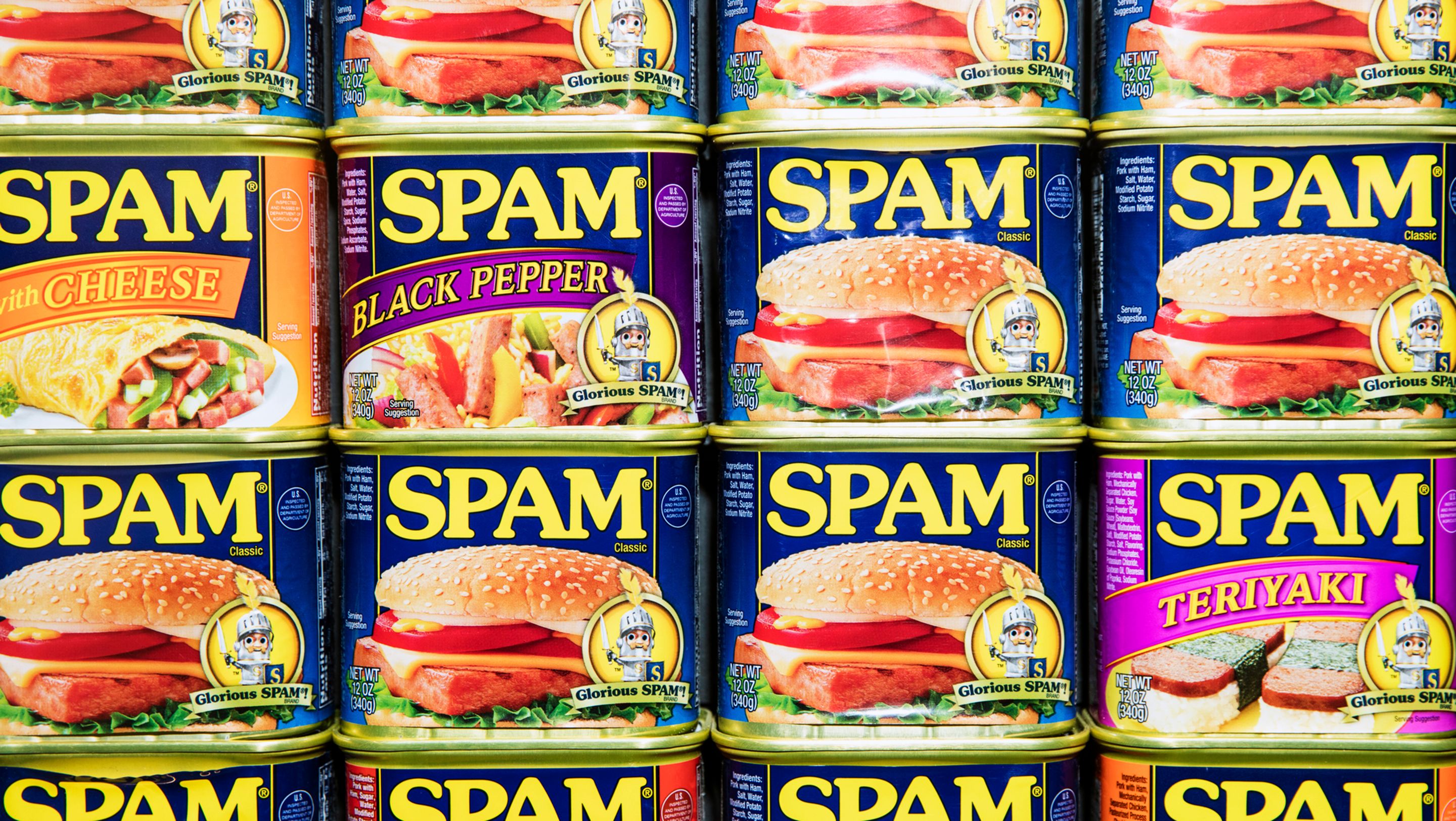
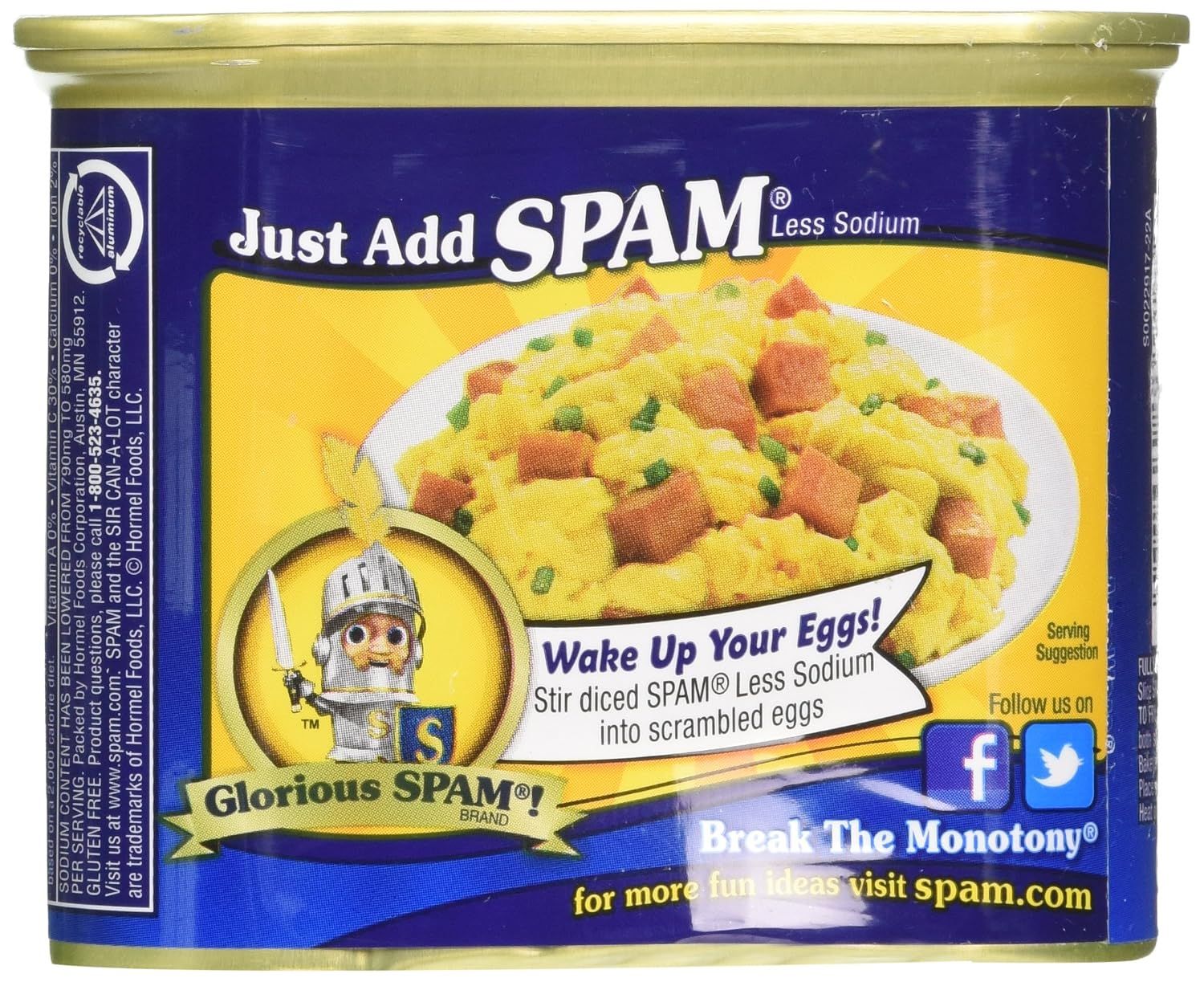
The word starts with food. Hormel Foods introduced SPAM in 1937 as a shelf-stable canned pork product, and the name is most often traced to a contraction of "spiced ham," though Hormel has stayed deliberately vague about it over the years. That vagueness is part of why alternate explanations keep circulating. One persistent claim ties the name to a wartime label, "Special Processed American Meat," but that is another after-the-fact expansion rather than the documented origin.
SPAM became a staple during World War II because it traveled and stored well, and it stayed a fixture of pantries long after. That cultural ubiquity, the sense that SPAM was everywhere whether you wanted it or not, is what made it the perfect punchline decades later.
How Monty Python turned SPAM into spam
Monty Python turned SPAM into spam through a 1970 sketch in which the word is chanted until it drowns out every other conversation. That image of something unwanted repeated endlessly is what early internet users later borrowed to name messages that flood a channel and bury real discussion.
In the episode of Monty Python's Flying Circus, a couple sits down at a cafe where nearly every dish on the menu contains SPAM: "egg and SPAM," "SPAM, egg, sausage, and SPAM," and so on. When the customer tries to order something without it, a group of Vikings in the corner breaks into a chant of "SPAM, SPAM, SPAM, SPAM," growing louder until it drowns out all other conversation.
The joke is not really about food. It is about something unwanted being repeated so many times that nothing else can get through. When early internet users needed a word for messages that flooded a channel and buried real discussion, the sketch gave them one that already carried exactly that meaning.
From sketch to inbox: how spam came to mean junk email
Spam came to mean junk email through 1980s online chat and Usenet, where the word described flooding a screen with repeated text. Two Usenet incidents, an accidental 1993 mass repost and a deliberate 1994 mass advertisement, cemented it as the term for unsolicited bulk messaging, which then followed email straight into the inbox.
Through the 1980s, fans of the sketch used "spam" on early online systems like MUDs and chat rooms to describe flooding a screen with repeated text. The term then migrated to Usenet, the newsgroup network that predated the modern web. An accidental mass repost by user Richard Depew on Usenet in March 1993 is frequently cited as one of the first times a flood of duplicated messages was tagged as spam.
The label stuck for good after a now-infamous 1994 incident in which two lawyers, Canter and Siegel, posted the same commercial advertisement to thousands of Usenet groups at once. The backlash cemented "spam" as the word for unsolicited mass posting, and as email volume exploded, the term followed messages straight into the inbox. By the late 1990s it was formal enough that internet standards writers used it directly, as in the guidance on mass unsolicited mailings set out in RFC 2635, and by 1998 it had earned a place in mainstream dictionaries as a definition in its own right.
Debunking the SPAM backronyms
None of the lettered expansions are the real origin. They are all backronyms created long after the term already meant junk email, invented because the word looks like an abbreviation. The three you will run into most often:
- Stupid Pointless Annoying Messages, probably the most repeated expansion, and completely invented.
- Sending Persistent Annoying Mail, another neat-sounding phrase with no basis in the term's history.
- Special Processed American Meat, which is a myth about the meat product, not the email sense of the word.
Dictionary authorities are blunt about this. The word for junk email is a borrowing from a comedy sketch, not an acronym, and the various expanded meanings were reverse-engineered to fit the letters.
What spam means today
In current usage, spam is unsolicited, usually commercial, email sent in bulk to people who never asked to receive it. The same idea applies across text messages, comments, and social platforms, but email is where the term lives most of the time. It is defined by three things at once: it is unwanted, it is sent to many recipients, and the recipients have no prior relationship with the sender.
The scale is enormous. Spam has long made up the majority of all email sent worldwide, with university IT sources putting it at more than 80% of global email traffic and some industry estimates running higher. That volume is why mailbox providers built aggressive filters, and it is a big part of why so much legitimate mail still ends up in the spam folder alongside the genuine junk.
Spam versus phishing: what is the difference?
Spam is unsolicited bulk email that is mostly annoying rather than dangerous; phishing is a targeted attempt to trick you into handing over sensitive information such as passwords or payment details, usually by impersonating a company you trust. The defining line is intent: spam is defined by being unwanted and sent in bulk, while phishing is defined by the intent to deceive and steal.
The two overlap because phishing frequently arrives through spam, riding the same unsolicited bulk channels. That is why treating every spam message as harmless is a mistake, and why assuming every unsolicited email is an attack is also wrong. Judge the intent, not just the fact that the message was uninvited.
Why the word matters to legitimate senders
The word matters to senders because "spam" is the exact category mailbox providers are constantly trying to keep you out of, and the signals they use are unforgiving. Landing in the spam folder can quietly wreck a campaign even when your content is legitimate, so avoiding the label is a deliverability problem, not just trivia.
Three habits keep real senders on the right side of the line. First, prove you are who you say you are by authenticating your mail with SPF, DKIM, and DMARC, since unauthenticated mail looks exactly like the forged traffic filters are built to block. Second, protect your email deliverability by sending only to people who opted in and by keeping engagement high. Third, watch how filters grade your messages: your spam score reflects the content and configuration signals that push borderline mail into the junk pile.
List hygiene sits underneath all three. Sending to invalid or long-dead addresses spikes your bounce rate, and a high bounce rate tells providers your list is old or purchased, which is exactly the profile of a spammer. Removing bad addresses before you send is one of the cleanest ways to keep your sender reputation intact.
FAQs
Is spam an acronym?
No. Spam is not an acronym and never has been. The word comes from the brand name of Hormel's canned SPAM meat, popularized as a term for unwanted messages by a 1970 Monty Python sketch. Any lettered expansion you have seen was invented afterward.
Why is junk email called spam?
Because of the Monty Python sketch in which the word SPAM is chanted over and over until it drowns out every other conversation. Early internet users adopted it to describe repetitive, unwanted messages that bury real discussion, and it carried over to email as inbox clutter grew.
What does spam mean?
Spam means unsolicited, typically commercial, messages sent in bulk to recipients who did not ask for them and have no relationship with the sender. Most spam is email, though the term also applies to texts, comments, and social posts.
Does SPAM stand for Stupid Pointless Annoying Messages?
No. "Stupid Pointless Annoying Messages" is a backronym, a phrase invented later to fit the letters. The word predates that expansion and comes from the canned meat and the Monty Python sketch, not from any abbreviation.
What is the origin of spam email?
The email sense grew out of 1980s online chat and Usenet, where "spam" described flooding a channel with repeated text. A 1994 mass Usenet advertisement pushed the term into wide use, and it followed unsolicited bulk messages into the inbox as email adoption spread.
Spam is the profile every real sender wants to avoid looking like, and your list is where that fight starts. Run your list through BounceCheck before your next send to clear out the invalid addresses that make legitimate mail look like junk.

BounceCheck Team
The team behind BounceCheck - helping businesses verify emails and improve deliverability.