Queued Email Meaning: Why It's Stuck and How to Fix It
 BounceCheck Team
A queued email is a message your email system has accepted but has not sent yet. You hit send, and instead of going out, it sits in line waiting for the condition that is blocking it to clear. The message has not left your device or server. Most of the time this resolves on its own within 15 to 30 minutes once connectivity or a server delay clears, but if an email stays queued for more than two hours, it needs a look.
This guide explains what "queued" means, how it differs from other statuses, why it happens, and how to clear a stuck one, both on your device and on the sending server.
What does "queued" mean?
Queued means the email is created and accepted but is waiting its turn to transmit. Think of it as stuck in traffic: the message exists and is ready, it just is not moving yet. On a phone or desktop app it waits in the Outbox; on a mail server it waits in a sending queue and retries automatically.
The key point is that a queued email has not failed. It is a temporary holding state, not a bounce, and in most cases the system keeps trying until it goes through or times out.
Queued vs pending vs failed vs draft
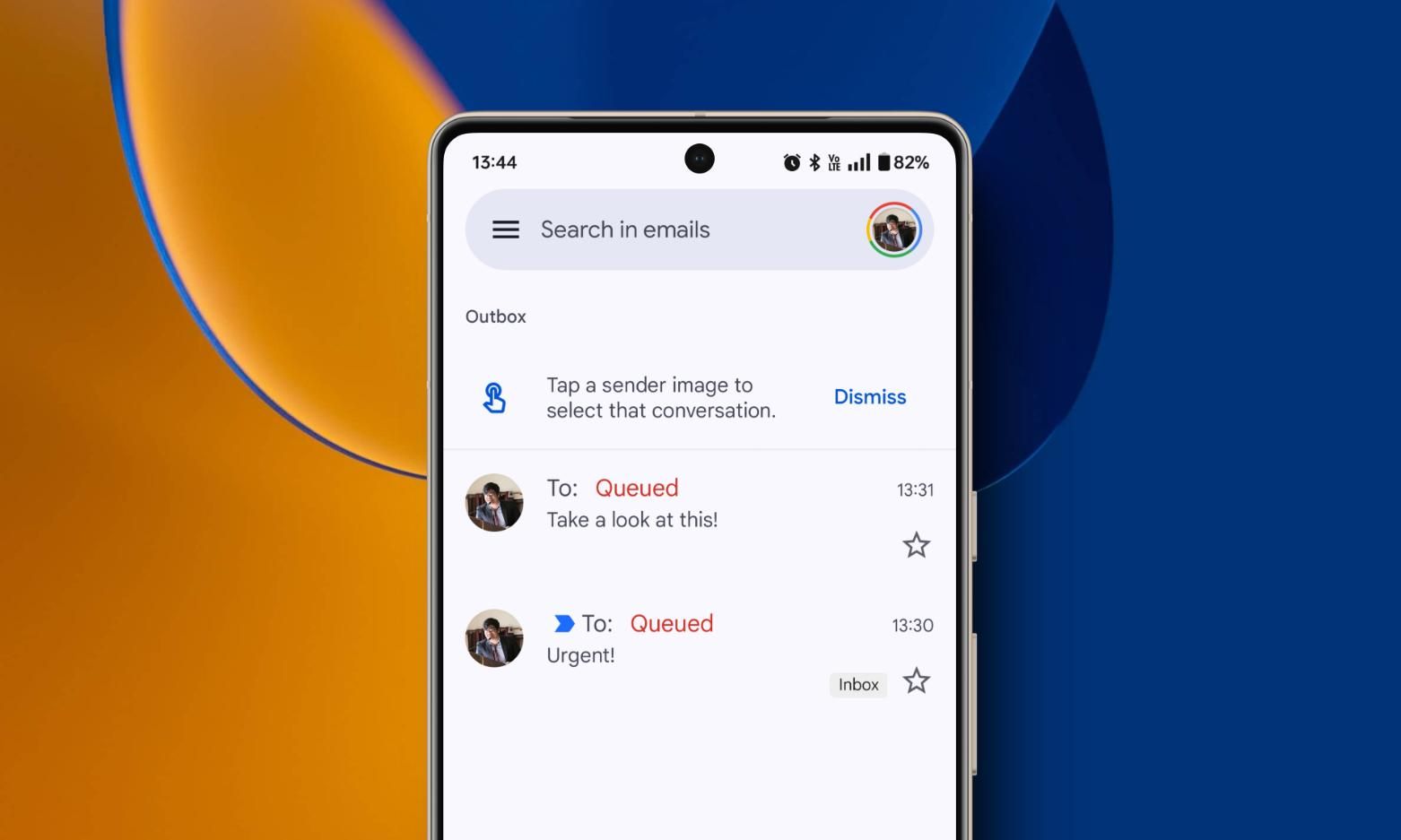
These statuses are easy to confuse, and the difference tells you whether to wait or act:
- Queued: accepted and waiting in line to send. Usually clears on its own.
- Pending: actively transmitting or waiting for the receiving server to confirm delivery. Further along than queued.
- Failed: the send did not work and the message was not delivered. Needs immediate attention.
- Draft: a message you are still writing and have not tried to send.
- Outbox: the folder where queued and pending messages sit, not a status itself.
Why emails get queued
Emails get queued when something blocks the send at the moment you hit send. The usual causes are a poor connection, oversized attachments, an exceeded sending limit, expired authentication, or the server throttling traffic. On phones, battery optimization that blocks background activity is the most frequent trigger.
Emails get stuck in the queue for a short, predictable list of reasons:
- Poor or no connection: you hit send offline, on a weak signal, or in airplane mode.
- Battery optimization: on Android, aggressive battery settings (common on Samsung) block the email app from sending in the background. This is the most common mobile cause.
- Large attachments: files over the 25 MB limit that Gmail and Outlook enforce queue while they upload or fail outright.
- Sending limits: personal Gmail caps at 500 emails a day and Google Workspace at 2,000. Blow past the limit and the rest queue.
- Authentication problems: an expired password or OAuth token (common on Mac Mail) stops sends even with a good connection.
- Server throttling: your provider's SMTP server may be busy, down for maintenance, or rate-limiting you.
How to fix a queued email
To fix a queued email, confirm you are online, then force a manual send or pull to refresh so the app retries now. If it stays stuck, turn off offline mode, shrink any attachment over 25 MB, check your daily sending limit, and re-authenticate the account. On Android, disable battery optimization for the email app.
Work through these in order; most stuck emails clear within the first two or three:
- Check your connection. Load a website to confirm you are actually online, not just showing full bars.
- Force a send. Tap "Send All" or pull to refresh on mobile, or click Send/Receive on desktop, so the app retries now instead of waiting.
- Turn off offline mode. In Outlook, look for "Working Offline" in the status bar and toggle it off.
- Shrink the attachment. Swap a large file for a cloud link (Google Drive, OneDrive, or Apple Mail Drop) and resend.
- Check your sending limit. If you have hit your daily cap, space the rest out or schedule them for later.
- Re-authenticate. Sign out and back in, or generate an app-specific password, to refresh an expired login token.
- On Android, an airplane-mode reset works: turn it on, delete or edit the stuck message, then turn it off to reset the connection.
If nothing works and the email shows a failed status or a 5xx error, stop retrying and check the recipient address.
Server-side queuing for bulk senders
For bulk senders, a queued message usually means the server is pacing or retrying delivery rather than failing. Servers queue on purpose to throttle volume or warm an IP, and automatically when a receiving server defers mail with a temporary 4xx code. These retries clear on their own, unlike permanent 5xx rejections.

If you send at scale, "queued" often means something different. Mail servers queue for two reasons: intentionally, when the sender throttles volume, paces an IP warm-up, or coordinates a campaign, and automatically, when the receiving server is busy or temporarily deferring messages.
Those automatic deferrals show up as 4xx error codes, which are temporary and retried on their own: 450 (recipient rate-limiting), 451 (temporary rejection), and 421 (connection expired). They differ from permanent 5xx codes like 550 (mailbox unavailable) and 553 (mailbox does not exist), which will never deliver and should be removed. If you are unsure which is which, our guide to bounce codes breaks each one down, and the hard vs soft bounce distinction maps the same idea onto delivery outcomes.
One quiet cause of a growing server queue is a dirty list. Every message deferred and retried against a dead or invalid domain clogs the queue and drags on your sender reputation. Verifying the list before a send removes those addresses so the queue only holds mail that can actually be delivered.
How to prevent emails from queuing
Preventing queued emails comes down to sending under good conditions. Send only on a stable connection, stay within your daily limits, keep authentication current, and use cloud links instead of heavy attachments. For bulk sending, a clean list and correct email authentication stop the deferrals that fill a server queue.
A few habits keep messages moving:
- Do not hit send offline. Save it as a draft and send when you have a stable connection.
- Stay under your sending limits and space out large batches.
- Keep authentication current so an expired token does not silently block sends.
- Use cloud links for large files instead of heavy attachments.
- Keep your email app updated, since outdated versions cause sync and auth bugs.
For business sending, a clean list and correct SPF, DKIM, and DMARC setup prevent the reputation and deferral problems that fill a server queue in the first place.
Common questions about queued emails
How do I fix a queued email?
Check your internet connection first, then force a manual send or pull to refresh. If it is still stuck, turn off offline mode, reduce any attachment over 25 MB, confirm you have not hit your daily sending limit, and re-authenticate your account. On Android, disable battery optimization for your email app.
How long does a queued email take to send?
Most queued emails send automatically within 15 to 30 minutes once the underlying issue, usually connectivity or a server delay, clears. If a message stays queued for more than two hours or shows a failed status, it needs manual troubleshooting.
Is a queued email always delivered?
Not always. Queued means it is waiting, not that it has been delivered. It usually sends once the blocking condition clears, but if the cause is a wrong recipient address, an exceeded limit, or a broken configuration, it can sit indefinitely or eventually fail.
What causes email queuing problems?
The common causes are poor connectivity, oversized attachments, exceeded sending limits, expired authentication, full storage, and recipient-server or SMTP throttling. On mobile, battery optimization blocking background activity is the most frequent culprit.

BounceCheck Team
The team behind BounceCheck - helping businesses verify emails and improve deliverability.