Best Email Verifier for Klaviyo: Stop Paying to Email Dead Contacts
 BounceCheck Team
Your Klaviyo list grows every time someone enters a giveaway, checks out, or fills in a popup. Some of those addresses are fake, mistyped, or long dead, and Klaviyo will keep them on your bill and mail to them anyway. If you are looking for the best email verifier for Klaviyo, the goal is simple: stop paying to store contacts that never open, and stop the bounces that quietly wreck your deliverability. Here is how verification fits a Klaviyo setup, and which tools do it well.
Dead contacts cost you twice on Klaviyo
Klaviyo prices by active profiles, so every invalid or dead address on your list is a contact you pay to store and never reach. That is the first cost.
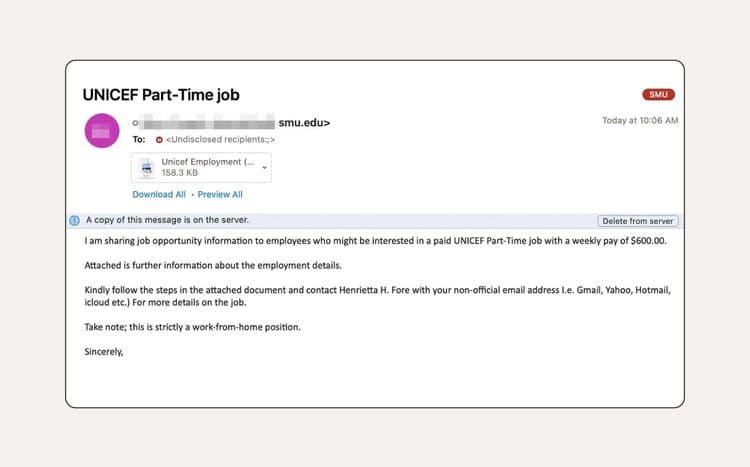
The second is deliverability. Ecommerce lists grow fast through promos, giveaways, and paid ads, which is exactly how typos, temporary addresses, and risky contacts slip in. When you send to them they hard bounce, and a spike in bounces tells mailbox providers you are not in control of your data. That drags your deliverability down for everyone on the list, not just the bad addresses. So a dirty Klaviyo list bills you more and performs worse at the same time.
What Klaviyo verifies, and what it leaves to you
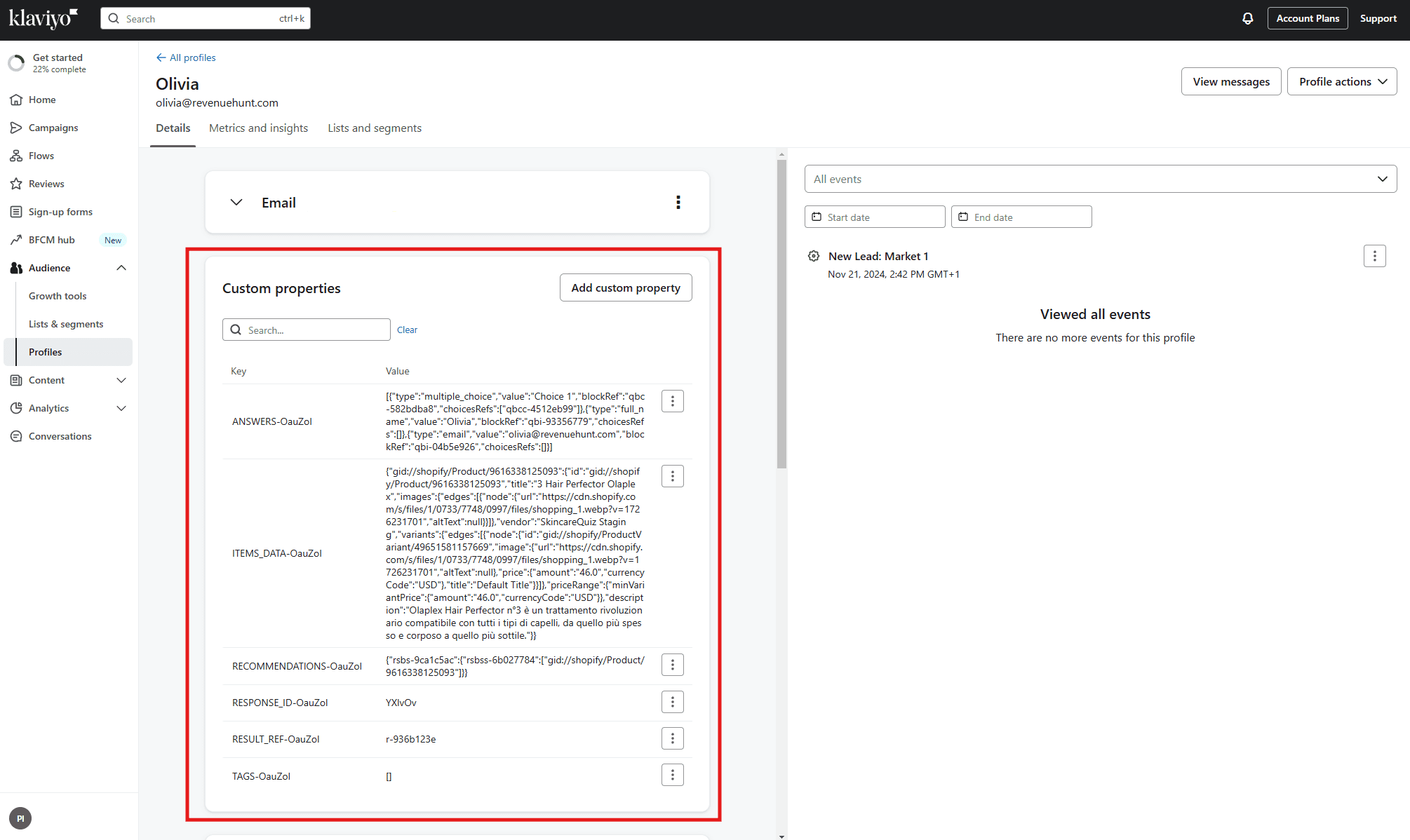
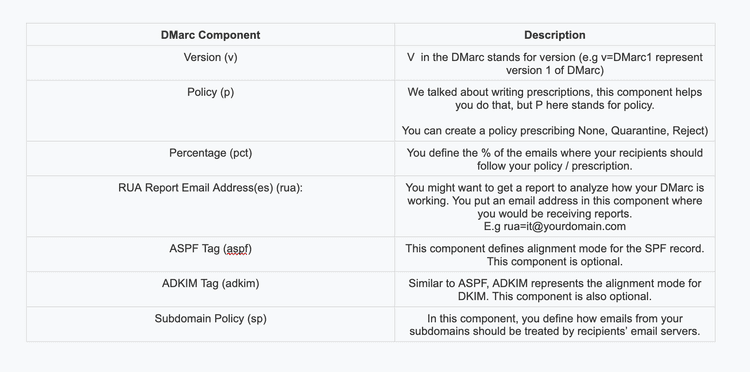
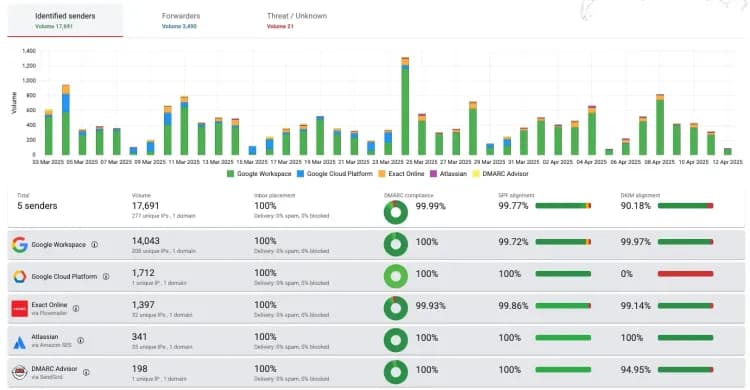
It helps to be precise about what Klaviyo's own verification actually covers. Inside Klaviyo, verification means authenticating your sending identity: setting up SPF, DKIM, and DMARC so mailbox providers can confirm the email really came from your domain. That matters, and it is part of meeting the bulk-sender requirements inbox providers now enforce. Google treats anyone sending 5,000 or more daily emails to Gmail as a bulk sender.
But authentication only proves who is sending. It says nothing about whether the address you are sending to is real, active, or safe. Klaviyo will not ping a mailbox, catch a spam trap, or flag a disposable address sitting in your list. Authentication guards your identity. Verifying the subscriber list is a separate job, and it is the one a dedicated verifier does.
When to clean a Klaviyo list
List hygiene is not a one-time chore. For a Klaviyo account, these are the moments that matter most:
- Before an import or migration: older files carry outdated domains and invalid addresses that hurt you the moment they land in Klaviyo.
- After a signup surge: giveaways, paid ads, and influencer pushes pull in temporary and low-quality addresses.
- Before a big seasonal send: clean ahead of Black Friday or a launch so only real contacts enter high-stakes flows.
- When bounce rates rise: a climb in bounce rates usually means invalid addresses have built up.
- When testing a new form or source: poorly built signup forms generate fake or malformed entries.
- As routine maintenance: even good lists go stale as people change jobs and inboxes go dark, so lists decay whether you touch them or not.
What to look for in a Klaviyo verifier
Not every verifier fits an ecommerce workflow. Weigh these:
- A real Klaviyo integration: it should select your lists, verify, and sync results back without manual CSV exports.
- Clear, accurate categories: valid, invalid, risky, and disposable, so you know what to keep and what to drop.
- Real-time validation: an API, form check, or Zapier step that stops bad addresses at signup, not just in bulk.
- Fast bulk verification: large ecommerce lists need to clean in a single pass.
- Sender-reputation protection: detection of spam traps and disposable domains, the addresses that do the most damage.
- Flexible pricing: free credits or a free plan so you can test before committing.
How the cleanup works in Klaviyo
The good setups never touch a spreadsheet. You connect the verifier to your Klaviyo account, it pulls in your lists, and it verifies the whole list in one pass. From there an ongoing workflow checks every new signup and re-verifies the list on a cycle you choose, often every 30, 90, or 180 days.
The results write back into a Klaviyo profile field, which becomes the trigger for your automations. Safe contacts are marked Keep. Undeliverable, disposable, or toxic ones are set to Suppress, which you can use to mark them non-marketing or remove them entirely to lower your profile count. Borderline ones go to Quarantine for a closer look. If you would rather automate it lightly, a Zapier workflow can do the same on new contacts in under fifteen minutes of setup.
Email verifiers that connect to Klaviyo
There is no universal best email verifier for Klaviyo. The right one depends on whether you want hands-off automation, the deepest deliverability tooling, or the simplest bulk clean. These tools all work with Klaviyo:
| Verifier | How it connects | Best fit for Klaviyo |
|---|---|---|
| BounceCheck | Bulk upload, API, Zapier, Make and n8n | Cleaning the list in bulk and syncing only real profiles back |
| Bouncer | Native Klaviyo integration | Hands-off ongoing hygiene with Keep and Suppress automation |
| ZeroBounce | Native Klaviyo integration | Deep deliverability tooling and spam-trap detection |
| Kickbox | Native plus Zapier | Quick bulk cleans and a fast Zapier workflow |
| Emailable | Native Klaviyo integration | Credit-based bulk validation and scheduled checks |
| NeverBounce | Via API or Zapier | High-volume real-time and bulk verification |
Match the tool to how hands-on you want to be, then test it on a free credit tier before you wire it into your flows.
Keeping a clean Klaviyo list long term
Verification is not a one-off cleanup, it is a habit. The accounts with the best deliverability treat it like routine maintenance: clean before big sends, validate new signups as they arrive, and re-check the whole list on a schedule so decay never piles up.
BounceCheck fits that side of the work. It cleans a Klaviyo list in bulk and hands the verified results back, so the only profiles you keep paying for are the ones that can actually receive your email. Pair that with Klaviyo's own authentication and both halves of deliverability, your identity and your list, are covered.
Questions Klaviyo senders ask
Does Klaviyo verify email addresses on its own?
Not in the way that protects your list. Klaviyo authenticates your sending domain through SPF, DKIM, and DMARC and helps you meet bulk-sender requirements, but it does not check whether the addresses you mail are real or deliverable. That list-level check is a separate job for a dedicated verifier.
Will cleaning my list actually lower my Klaviyo bill?
It can. Because Klaviyo prices by active profiles, suppressing or removing dead and invalid contacts means you stop paying to store addresses that never engage.
How often should I verify a Klaviyo list?
Before imports and big seasonal sends, after any signup surge, and on a routine cycle, since most teams re-verify every 30 to 90 days. Lists decay continuously, so a single clean does not hold for long.
Should I use real-time or bulk verification with Klaviyo?
Both, ideally. Bulk cleans the list you already have, while real-time validation through an API, form, or Zapier step stops bad addresses at the point of signup so the list stays clean between cleans.

BounceCheck Team
The team behind BounceCheck - helping businesses verify emails and improve deliverability.